1. Let responders lead
Fire and emergency crews handle the immediate danger. Cleanup begins only when responders say the scene is safe to enter, and the team asks what they found.
Tompkinsville / Stapleton / Clifton / Fox Hills, New York, NY · Kings County
Property owners in Tompkinsville / Stapleton / Clifton / Fox Hills call (877) 812-4220 when a spill reaches pavement, soil or a drain. The cleanup team places barriers, removes contaminated material and packs the waste by type.
If anyone is in danger, call 911 first. For a suicide crisis, call or text 988.
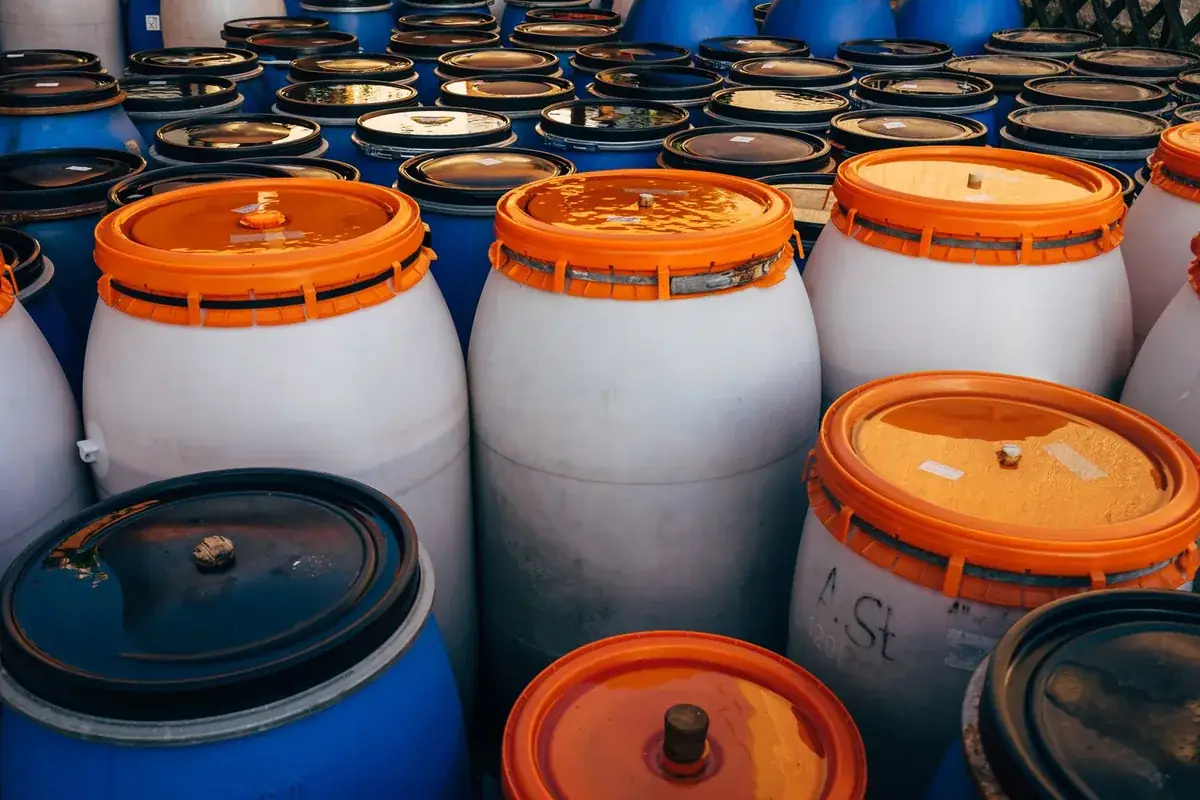
Hazmat cleaning services cover the response after the emergency: sorting damaged containers, removing spilled product, cleaning affected areas and moving waste by the rules that apply to its type.
Need hazmat cleaning services in Kings County, including Tompkinsville / Stapleton / Clifton / Fox Hills? You get materials sorted by hazard, packaged so they cannot react, and the surfaces they leave behind cleaned. Call Tompkinsville / Stapleton / Clifton / Fox Hills Biohazard Cleanup Help for help.
July highs in Tompkinsville / Stapleton / Clifton / Fox Hills average about 85 degrees, which is milder, but old containers can still crack and leak with age and weather. Kings County has a Very High river flood risk rating from FEMA, and floodwater can tip over tanks and drums and carry hazardous materials across a site.
The work often covers:
Fire and emergency crews handle the immediate danger. Cleanup begins only when responders say the scene is safe to enter, and the team asks what they found.
Chemical-resistant suits, gloves, eye protection and respirators go on as the hazard requires. The work zone is marked and ventilation is managed.
Product and contaminated debris come out first. The site and the crew's own equipment are then cleaned with products suited to the material.
Surfaces and equipment are cleaned with methods suited to the material. Waste is labeled, sorted by type and hauled by the rules that apply.
Expect hazmat cleanup in Tompkinsville / Stapleton / Clifton / Fox Hills, New York, NY to cost roughly $4,000 to $40,000, with the final price set after an on-site assessment.
Equipment decontamination changes the scope. Cleaning machinery, vehicles and tools that touched the material takes time, and some items may be disposed of instead.
| Type of job | Typical range |
|---|---|
| Small to mid-size spaces | $4,000 - $40,000 |
| Initial cleanup and containment | $6 - $20 per square foot |
These ranges come from published cost guides (One and Done Prep) and are not a quote for Tompkinsville / Stapleton / Clifton / Fox Hills. Price drivers include type of contaminant, square footage, containment setup, waste disposal. For a real number, call (877) 812-4220.
Try the Tompkinsville / Stapleton / Clifton / Fox Hills Biohazard Cleanup Cost Calculator →
Biohazard usually means materials that carry germs, such as blood and body fluids. Hazmat means materials that are dangerous in other ways, such as chemicals, fuels and gases. Some jobs involve both. A local team can explain which applies to your situation.
Stop the source only if it is safe, keep people away and call 911 if there is fire risk or danger. A cleanup team contains the leak, removes soaked material and cleans pavement and equipment. It can also provide records for the insurer.
OSHA sets safety rules for workers who respond to and clean up hazardous substances. Professional crews follow those rules and use gear matched to the hazard. Employers have their own duties, which safety staff or an attorney can explain.
It is the decontamination of tools, gear, machinery and vehicles that touched a hazardous material. Items are cleaned with products suited to the material, and those that cannot be made safe are packed for disposal.
The hazmat cleanup cost depends on the material, the amount, the spread and the disposal fees. Published ranges vary widely. The local team gives a real price after it sees the site or hears the details. Ask what is included and what could change.
Do not pour them down a drain or put them in the trash. Keep them in their original containers, away from heat and children, and have a cleanup team collect anything leaking or unknown. Waste must go to a facility that can accept it.
Describe the spill by phone and the team explains the next safe step.
Call (877) 812-4220